Entry · Ref QJYHN8XJ
Top Garage Door Accessories Every Homeowner Should Consider
- Posted
- 2026-11-02
- Last amended
- 2026-11-02
- Account
- @troypudh905
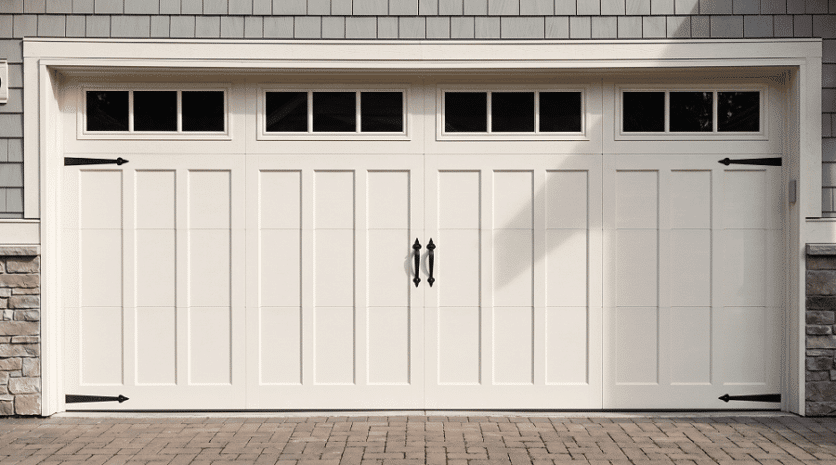


A garage door does a deceptively large share of work. It protects vehicles, buffers weather, secures tools and storage, and in many homes serves as the door the family uses most often. When it functions well, nobody thinks much about it. When it sticks, slams, refuses to close, or leaves the garage dim and inconvenient, it quickly becomes the most irritating moving part in the house.
That is why garage door accessories matter. The right add-ons do more than dress up the system. They improve safety, reduce daily friction, help the opener last longer, and solve the small annoyances that homeowners tend to tolerate for years. I have seen people spend thousands on a new door while ignoring a thirty-dollar accessory that would have fixed the issue they actually hated. I have also seen the reverse, where a few smart upgrades made an older system feel almost new again.
Not every accessory makes sense for every garage. A detached workshop has different needs than an attached two-car garage under a bedroom. A family with teenagers driving in and out every day will value convenience features more than a homeowner who opens the door twice a week. The best approach is practical: look at how your garage is used, where the pain points are, and which upgrades solve a real problem.
Start with the accessories that affect safety
Some garage door accessories are nice to have. Others address risks that are easy to overlook until something goes wrong.
Photo eye sensors are one of the first things worth checking. Most modern garage door systems already have them, but they are often misaligned, dirty, or mounted in a spot where they get bumped. These sensors sit near the bottom of the door opening and stop the door from closing when something crosses the beam. That sounds basic, but their role is critical. If you have pets, children, bicycles, or trash cans moving through the garage, reliable sensors are nonnegotiable.
What homeowners often miss is that older or budget systems can have sensors that work inconsistently. If your door sometimes reverses for no obvious reason, or worse, keeps trying to close when it should stop, the issue may be sensor alignment, wiring, or the quality of the units themselves. Upgrading sensors is not glamorous, but it is one of the more valuable safety-related improvements you can make.
A motion-detecting garage light is another accessory that earns its keep quickly. Garages are full of trip hazards: rakes, sports gear, boxes, puddles, extension cords. A light that snaps on when you enter reduces the chance of a bad misstep, especially in winter when people leave before sunrise or come home after dark. Many opener units now include integrated LED lighting, but standalone motion lighting still has a place, especially in larger garages where the opener light does not reach the corners.
Battery backup deserves more attention than it gets. In areas with frequent outages, this accessory can move from convenient to essential. If the power goes out during a storm, being able to open and close the door without wrestling the manual release matters. It is even more useful in households where the garage is the primary entry point. I have spoken with homeowners who never thought about backup power until they were stuck outside in heavy rain, trying to lift a heavy insulated door by hand.
Manual release handles and upgraded emergency release kits also belong in the safety conversation. The standard red release cord is simple, but detached garages, custom high-lift setups, or older doors sometimes benefit from a more accessible release system. It is not an exciting purchase, though it becomes very exciting the moment the opener fails.
The accessories that make daily use easier
Convenience accessories are where many homeowners notice the biggest change in everyday life. A garage door may already work, but the right upgrade removes friction you stopped noticing years ago.
A wireless keypad is one of the simplest and most useful examples. Mounted outside the garage, it lets you open the door with a code instead of a remote or key. That helps with dog walkers, teenagers who lose remotes, contractors, house sitters, and morning walks when you do not want to carry keys. Good keypads are weather resistant, backlit, and easy to reprogram. Cheap ones can be fussy in cold weather or eat batteries faster than expected, so this is one area where buying a well-reviewed compatible model pays off.
Smart garage door controllers have become far more practical over the last few years. The better ones let you check door status from your phone, receive alerts if the door stays open, and close it remotely if someone forgets. For busy families, that is not a gimmick. It solves a common problem. More than once, a homeowner has told me they used to circle back home halfway to work just to check whether the garage door was down. A phone alert replaces that uncertainty.
That said, smart accessories are only as good as the Wi-Fi signal in the garage and the reliability of the app. If your router barely reaches the driveway, a smart opener may frustrate you more than it helps. In those cases, adding a mesh node or a garage-rated Wi-Fi extender can be the difference between a useful system and one that constantly disconnects. This is one of those trade-offs that gets glossed over in product descriptions. The technology itself may be fine, but the environment has to support it.
Upgraded remotes are another small improvement that can make a surprising difference. Homeowners often keep using bulky, aging remotes with weak range simply because they came with the opener. Compact visor remotes, mini keychain remotes, and multi-door remotes are easier to live with. If you have multiple garage doors or an exterior gate, consolidating controls saves a lot of fumbling. Range also matters more than people think. Being able to trigger the door from the street rather than two feet from the driveway is a small quality-of-life gain, but you notice it every day.
Better lighting changes the whole garage
Lighting is often treated as separate from garage door accessories, but in practice the opener and lighting systems overlap constantly. If your garage is gloomy, the problem is not just atmosphere. Poor light makes it harder to park accurately, spot leaks, find tools, and move safely around stored items.
Integrated LED light panels designed for garage opener systems have improved significantly. Older opener bulbs had a habit of burning out, vibrating loose, or failing early because of the constant shake from door movement. Many newer LED systems solve those issues while delivering much better brightness. In a standard two-car garage, the difference between a weak opener bulb and a broad, bright LED setup is immediate. The room feels larger, cleaner, and more usable.
For homeowners who use the garage as a workspace, side-mounted task lighting is often a better addition than simply boosting the opener light. Light from the ceiling opener can create shadows near shelves, workbenches, and the back wall. Supplemental fixtures placed with intention solve that problem better than one central bright source.
Motion activation is still worth prioritizing. It saves energy, but more importantly it means the garage is lit before your hands are full of groceries or sports bags. It also helps children and older adults navigate the space safely.
Noise reduction accessories are worth every dollar in the right home
Attached garages can be surprisingly loud, especially when bedrooms sit above them or beside them. Homeowners sometimes assume opener noise is unavoidable, but several accessories can cut the racket meaningfully.
Vibration isolation kits are a good example. These use rubber mounts or damping components to reduce how much motor vibration transfers into ceiling joists. They are especially effective when the complaint is not just the opener noise itself, but the low rumble or rattling heard in adjacent rooms. This is a common issue in older homes, where framing transmits sound freely.
Nylon replacement rollers are another smart upgrade. Many older doors still run on steel rollers, which are durable but noisy. Swapping them for sealed nylon rollers often makes a garage door noticeably smoother and quieter. This is not technically an accessory in the decorative sense, but it absolutely belongs in the conversation because homeowners feel the result every single day. A rattling, clanking door can become a much more civilized piece of equipment with this one change.
If the door bangs shut at the end of travel, a soft-start and soft-stop opener can help, assuming the opener is Garage Door Accessories compatible or due for replacement anyway. These systems do not eliminate all noise, but they reduce the abruptness that tends to wake sleeping family members. In houses with infants, shift workers, or light sleepers, quiet operation is not a luxury. It can make an attached garage usable at odd hours without disturbing everyone indoors.
Security accessories that actually improve peace of mind
Garage security is too often treated as an afterthought. That is a mistake, because garages frequently contain expensive tools, bicycles, lawn equipment, and a secondary path into the home.
One of the best security accessories is a deadbolt or slide lock designed for the garage door itself. This is especially useful for vacation periods or for detached garages that are not used daily. When engaged, it prevents the door from being forced open manually. It is not something you want to use every day if you rely on an automatic opener, but for long stretches away from home it adds a meaningful physical barrier.
Garage shield accessories for the emergency release are another option worth considering, particularly if your garage door has windows or if someone could access the top of the door from outside. These shields help prevent intruders from fishing for the release cord with a coat hanger or similar tool. The risk varies depending on door style and opener configuration, but where the vulnerability exists, the fix is inexpensive.
A camera integrated with the opener or mounted near the garage door can also be useful, though it is important to be realistic about what it does. A camera does not stop a break-in. It improves visibility, alerts, and post-incident information. For many homeowners, that is enough to justify it. Delivery checks, monitoring whether the kids got home, and seeing who entered the garage all add practical value beyond security.
If you are choosing among security-related Garage Door Accessories, it helps to think in layers rather than in single products. A secure rolling code remote, a smart alert when the door opens, a physical lock for travel, and decent exterior lighting together create a much stronger setup than any one gadget on its own.
Weather protection accessories pay off quietly
Some of the best garage door accessories do their job so quietly that homeowners forget they are there. Weather seals fall into that category. Bottom seals, threshold seals, and perimeter weatherstripping keep out water, dust, leaves, pests, and wind.
A worn bottom seal is easy to underestimate. You may only notice a little daylight under the door or a line of dirt creeping in after storms. Over time, though, that gap lets moisture into the garage, makes heating or cooling less efficient, and invites insects. Replacing the bottom seal is often inexpensive and immediately visible. In garages with minor floor slope issues, adding a threshold seal at the concrete can improve water control even more.
Threshold seals are especially useful in regions with wind-driven rain. They create a raised barrier at the garage opening, helping keep runoff outside where it belongs. The trade-off is that they need to be installed carefully so they do not become a tripping point or interfere with a low-clearance vehicle. In most standard residential setups, that is manageable, but it is worth measuring before buying.
Brush seals and side seals help if your garage struggles with dust, pollen, or blowing debris. Homes near gravel roads or in dry climates benefit from these more than most. The improvement may not be dramatic on day one, but over a month it becomes obvious when the garage floor stays cleaner and stored items collect less grime.
Storage and parking accessories deserve a mention
Strictly speaking, not every garage organization product counts as a garage door accessory. Still, some items directly support the way the door and parking area function, and they are worth considering together.
Parking aids are a perfect example. Ceiling-hung tennis balls, laser parking guides, and wheel stops all help drivers stop at the correct point without guesswork. In tight garages, that matters. I have seen more than one homeowner scrape storage shelves or nudge into the wall because they were trying to leave enough room for the door to clear while still parking close enough to walk around the car. A simple parking aid solves that instantly.
Wall protectors and edge guards also make sense in narrow garages. They protect both the vehicle doors and the wall finish. If the garage doubles as storage, these simple additions can reduce the daily stress of squeezing in and out between bins, bikes, and car doors.
Where storage becomes relevant to the garage door itself is overhead clearance. Homeowners sometimes install ceiling storage racks without fully accounting for opener travel, door tracks, or torsion hardware. If you are adding racks, bike lifts, or hoists, make sure they do not conflict with the moving parts of the door. A surprisingly common service call starts with, "We reorganized the garage, and now the door catches on something."
Decorative accessories should match the house, not fight it
Not every accessory is mechanical. Decorative hardware, faux hinge sets, and upgraded handles can change how a garage door looks from the street. Since the garage door often occupies a large portion of the front elevation, these details have more visual influence than people expect.
Done well, decorative hardware adds character and balance. Done poorly, it looks stuck on. The key is scale and style. Large carriage-house handles on a plain suburban panel door can feel theatrical if the rest of the home is clean-lined and contemporary. On the other hand, understated black hardware on a traditional raised-panel or carriage-style door can sharpen the façade nicely.
Window inserts Garage Door Accessories fall into a similar category. They are not always a simple accessory because compatibility depends on the door, but adding or upgrading windows can transform curb appeal and bring daylight into the garage. The trade-off is privacy and thermal performance. Frosted or tinted glass can help, though insulation values may still shift slightly compared with a fully solid door.
What is usually worth buying first
Homeowners often ask which accessories deliver the best return for the money. The answer depends on the current setup, but a short priority list is usually a better guide than a shopping spree.
- Replace worn weather seals if you can see daylight, feel drafts, or notice water intrusion.
- Add a wireless keypad if access is a constant hassle for family members or service providers.
- Upgrade lighting, especially if the garage is dim or used as a workspace.
- Consider smart controls if people regularly forget to close the door.
- Choose quieter rollers or vibration control if garage noise affects living spaces.
That order is not universal, but it tracks with what homeowners usually notice fastest. Safety and function first, then convenience, then comfort and appearance.
Compatibility matters more than people expect
Before buying Garage Door Accessories, check the basics. Opener brand, model year, door type, track layout, and power setup all affect what will work cleanly. The most common mistake is assuming all accessories are universal. Some are. Many are not.
A smart controller may require a specific opener logic board. A keypad may work only with certain radio frequencies. Battery backup systems often fit only designated units. Decorative hardware may interfere with a door handle area or window panel arrangement. Even weather seals vary by retainer type and door profile.
This is also where professional judgment matters. If the garage door is older, heavily used, or already showing signs of wear, accessories alone may not solve the underlying issue. A new keypad will not fix a failing receiver. Quieter rollers will not compensate for bent tracks or exhausted springs. A camera will not make a warped bottom panel seal properly. Good upgrades build on a sound base.
A quick way to decide what your garage needs
If you are standing in the garage wondering where to start, ask a few plain questions.
Does the door feel safe and predictable every time it moves? Is the space bright enough to use comfortably after dark? Do you trust that the garage is secure when you leave town? Does the setup create noise or inconvenience inside the house? Are weather, dust, or pests getting in where they should not?
The answers usually point directly to the right accessories. Garages rarely need everything. They usually need two or three smart fixes chosen with some thought.
Buy for the way you live, not for the catalog
The best garage door accessories are not the flashiest ones. They are the upgrades that match the rhythm of the household. For one family, that means a keypad, smart alerts, and better lighting because everyone uses the garage as the main entrance. For another, it means threshold seals, a deadbolt, and motion lights because the garage stores expensive equipment and sees less daily traffic.
That practical lens keeps spending focused. It also leads to better outcomes. When homeowners choose accessories based on real use, the garage becomes easier to live with almost immediately. It opens more reliably, closes more quietly, stays cleaner, feels safer, and causes fewer headaches. That is the kind of home upgrade people appreciate long after the receipt is gone.
Select Garage Doors
11479 Pine Dr, Parker, CO 80134, United States
+1 303-228-0018
FAQ About Garage Door Accessories
What are garage door parts called?
Common door components include panels, hinges, rollers, tracks, springs, cables, and weather seals. The opener is a separate operating system, with accessories such as remotes, keypads, and compatible smart controls. Identify the door and opener model before choosing a part; springs, cables, and other loaded components should be assessed and serviced by a trained garage door technician.
What garage door supplies do I need?
The right supplies depend on the problem or upgrade you want to address. Common accessories include replacement remotes, wireless keypads, weather seals, decorative handles and hinges, and compatible smart controls. Check model compatibility and the manufacturer's instructions before buying. A technician can inspect the system and recommend suitable accessories without replacing otherwise serviceable equipment.
Where can I find garage door accessories in Parker?
Select Garage Doors supplies and installs garage door accessories for Parker homeowners. Contact the company with your opener brand and model, door details, and the upgrade you want so it can confirm compatibility, availability, pricing, and installation requirements. Confirm collection or appointment arrangements before visiting.